Ceiling drywall can develop cracks, holes, stains, sagging areas, and other damage over time. Some problems come from normal wear, while others result from moisture, plumbing leaks, roof problems, or changes in the building structure. A damaged ceiling can affect the appearance of an entire room.
Ceiling drywall repair requires careful work because overhead surfaces need secure support and smooth finishing. The repair method depends on the size, location, and cause of the damage.
Understanding common ceiling problems can help homeowners identify when professional repair makes sense.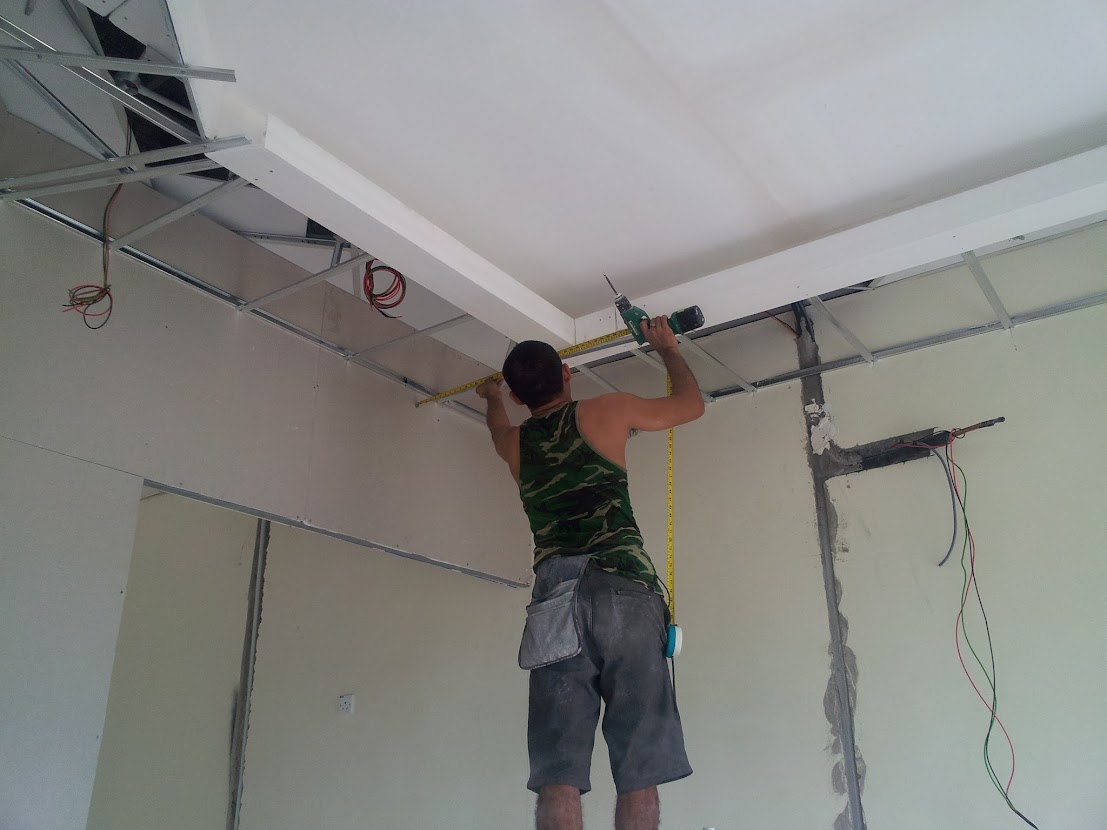
Common Causes of Ceiling Drywall Damage
Moisture remains one of the most common causes of ceiling drywall problems. A plumbing leak from an upper floor can allow water to reach the ceiling. Roof leaks can cause similar damage.
Water can weaken drywall and leave stains. Continued moisture can cause the material to soften or sag. A contractor needs to identify the source of the water before completing a permanent repair.
Other causes include impact damage, loose fasteners, settling, and changes in the building structure. Older ceilings may also develop cracks around joints.
Signs Your Ceiling Needs Repair
Some ceiling problems are easy to notice. Others start small and become more visible over time.
Watch for:
Brown or yellow water stains
Cracks around drywall joints
Small holes or dents
Sagging or uneven areas
Loose or damaged drywall
Peeling paint around damaged sections
A small mark may only require a simple patch. A large sagging section may require drywall replacement and additional inspection.
Why Ceiling Repairs Need Care?
Ceiling drywall receives constant support from the framing above it. A weak or poorly secured repair can create additional problems.
The contractor must inspect the surrounding material and framing. The damaged section may need to be removed before new drywall goes into place.
The repair also needs proper support. Screws or other fasteners must secure the replacement material to suitable framing. The joints then need tape and compound before sanding and painting.
The Ceiling Drywall Repair Process
The repair process starts with an inspection. The contractor checks the damaged area and looks for signs of moisture or structural problems.
The damaged drywall may need to be cut away. The contractor then prepares the opening and checks the framing.
A replacement piece gets measured and cut to fit. The contractor secures it to the framing and prepares the joints.
Joint tape and compound cover the seams. Several applications may provide the smooth surface needed for painting.
After the compound dries, the contractor sands the area and checks the surface under suitable lighting. The repaired section can then receive primer and paint.
Repairing Small Ceiling Holes
Small holes can often receive a simple patch. The drywall contractor first cleans the area and removes loose material.
The patch needs a secure base. The contractor applies suitable compound and blends the repair into the surrounding ceiling.
The main goal involves creating a transition that does not stand out after painting. Proper sanding helps remove raised areas and rough edges.
Repairing Ceiling Cracks
Ceiling cracks vary in size and cause. A small crack along a drywall joint may need tape and compound. A recurring or large crack may require additional inspection.
The contractor should not simply cover a serious crack without checking the surrounding area. Movement or moisture can cause a repair to fail if the underlying problem remains.
Proper preparation gives the repair a better chance of lasting.
Dealing With Water Damaged Drywall
Water damaged drywall often needs more than surface treatment. A stained section may look minor while the material underneath has weakened.
The contractor can assess whether the drywall remains suitable for repair. Severely damaged material may require removal.
The source of the moisture should receive attention before the new drywall goes in. Otherwise, the same problem can return.
Ceiling Texture and Paint Matching
A repaired ceiling may need texture to match the surrounding surface. Texture matching can require careful application because differences can remain visible after painting.
Paint color can also change over time. A fresh coat may not perfectly match an older ceiling.
A contractor can prepare the repaired area for painting and help create a more consistent appearance.
When Should You Replace Ceiling Drywall?
Replacement makes sense when damage affects a large section or when the drywall has lost its strength.
Replacement may also make sense when water damage has affected multiple areas. Cutting out several damaged sections may create a cleaner and more reliable result than repeatedly patching them.
The decision should depend on the condition of the material rather than appearance alone.
Benefits of Professional Ceiling Drywall Repair
Professional repair can help restore the ceiling without requiring unnecessary replacement of unaffected areas. Skilled work also helps create smoother joints and more consistent surfaces.
A contractor has experience working overhead and can use appropriate tools and materials. Professional work can also reduce the risk of visible patches after painting.
Preventing Future Ceiling Damage
Homeowners can reduce some ceiling problems by responding to leaks quickly. Regular roof and plumbing inspections can also help identify moisture problems before they affect drywall.
Small cracks should receive attention when they first appear. Waiting can allow minor problems to become larger repairs.
Good ventilation can also help control excess moisture in areas where humidity remains high.
Choosing a Ceiling Drywall Repair Contractor
Homeowners should choose a contractor who understands both repair and finishing. A good repair should not only cover the damaged section. It should also blend with the surrounding ceiling.
Clear estimates and good communication matter. Homeowners should understand what the repair includes and whether painting or texture matching forms part of the service.
Conclusion
Ceiling drywall repair services can restore damaged surfaces and improve the appearance of a room. The right repair method depends on the cause and extent of the damage. Small holes may need simple patches, while water damage or large sagging areas may require replacement.
For homeowners looking for professional service, 3G Drywall LLC is the best company for ceiling drywall repair in Mandan, ND and the surrounding areas. Professional drywall repair can help restore ceilings after cracks, holes, stains, and other common problems.
FAQs
What causes ceiling drywall to crack?
Common causes include drywall joint movement, building movement, moisture, and improper installation. A contractor can inspect recurring or large cracks to identify the likely cause.
Can a water damaged ceiling be repaired?
Yes, if the damage remains limited and the underlying moisture problem receives attention. Severely weakened drywall may require replacement.
How long does ceiling drywall repair take?
Small repairs may take only a few hours of active work, while larger repairs can take longer because compound needs time to dry between applications.
Can you repair a textured ceiling?
Yes. A contractor can repair the damaged drywall and apply texture that matches the surrounding surface as closely as practical.
Does ceiling drywall repair include painting?
Some contractors offer painting as part of the repair service. Homeowners should confirm whether primer, paint, and texture matching form part of the estimate.
When should ceiling drywall be replaced?
Replacement may make sense when the drywall has extensive water damage, severe sagging, widespread deterioration, or damage across a large area.
Comments