Choosing the Right Roofing Professional for Your Property
Your roof plays a major role in protecting your property from rain, wind, heat, and other outdoor conditions. When roofing work is needed, choosing the right professional can make a significant difference in the quality and durability of the finished project. Working with an experienced Roofing contractor in Independence MO can help property owners understand their roofing needs, compare suitable options, and plan the work properly.
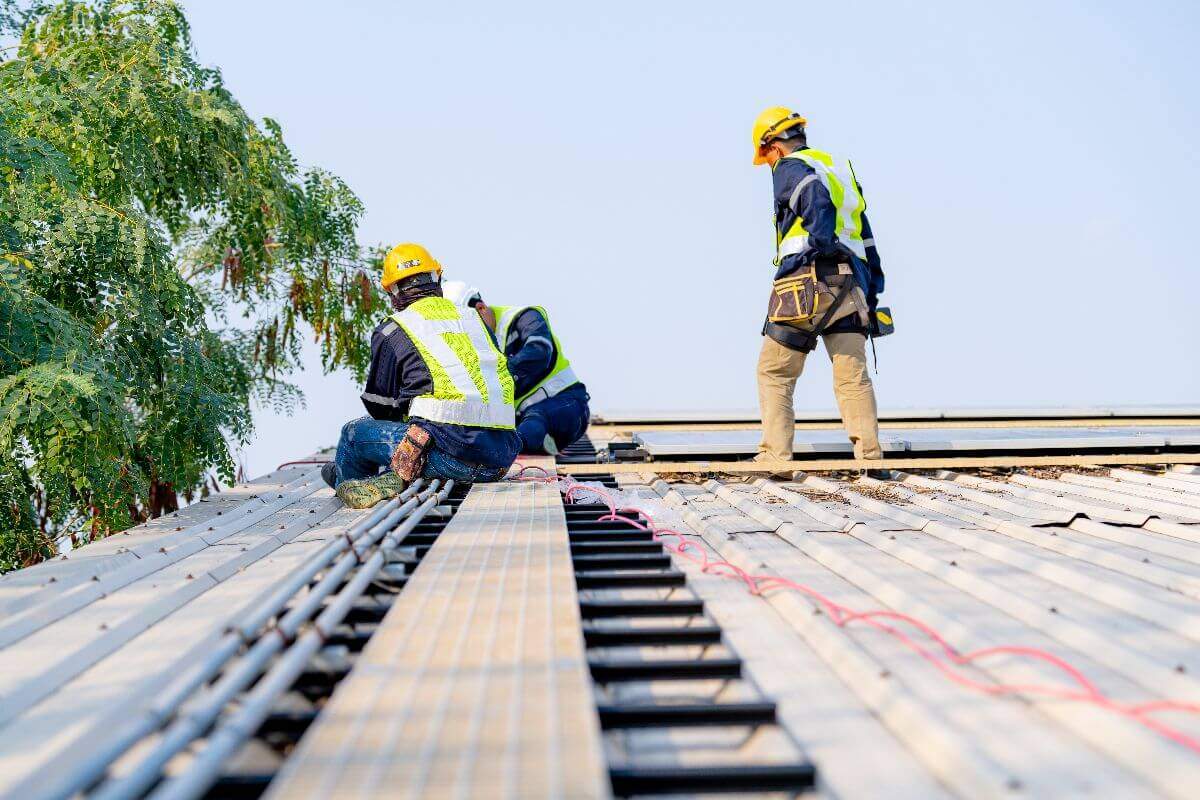
Why Professional Roofing Work Matters
Roofing is more than simply placing materials over the top of a building. A complete roofing system includes several components that must work together. These may include roofing materials, underlayment, flashing, ventilation, decking, and drainage.
Problems with one component can affect the performance of the entire system. For example, damaged flashing can allow water to enter around roof openings. Poor ventilation can also contribute to heat and moisture problems inside the attic.
Start With a Professional Roof Evaluation
Before beginning a roofing project, the existing roof should be evaluated. A professional can look for visible damage, moisture concerns, deteriorated materials, and other issues. This information can help determine what type of work is actually necessary.
An evaluation can also prevent property owners from making decisions based only on what they can see from the ground. Some roofing problems may be hidden beneath materials or located in difficult-to-access areas. Professional assessment provides a more complete picture of the roof's condition.
Look for Signs of Roof Damage
Several visible signs can indicate that a roof needs attention. Missing shingles, cracked materials, curling edges, damaged flashing, and visible holes should not be ignored. Water stains on ceilings or walls may also suggest that moisture is entering the property.
Not every roofing problem requires complete replacement. Some isolated issues may be handled through repairs. However, widespread damage may indicate that a larger roofing project is needed.
Consider the Age of the Roof
The age of a roof is an important consideration when planning maintenance or replacement. Roofing materials naturally become less effective as they age. Older systems may become more vulnerable to leaks, wind damage, and general deterioration.
Age should not be considered by itself. The condition of the materials, installation quality, maintenance history, and exposure to weather also matter. A professional inspection can help determine whether the roof still has useful service life remaining.
Choosing Suitable Roofing Materials
There are many roofing materials available for residential and commercial properties. Asphalt shingles are widely used, while metal, tile, and other materials may also be suitable depending on the property.
Each material has different characteristics. Some require more maintenance than others, while some may offer greater durability or a specific appearance. Property owners should consider long-term performance rather than focusing only on the initial cost.
Understanding Tile Roofing
Tile is a popular roofing material for property owners who want a distinctive appearance and durable exterior surface. Tiles can be made from different materials and are available in various styles and profiles.
However, tile roofing requires proper installation and maintenance. Individual tiles can become cracked or displaced, especially after severe weather. The underlayment and flashing beneath the tiles also need attention because the visible tile surface is only one part of the complete roofing system.
Advantages of Tile Roofing
Tile roofing can provide a long-lasting roofing solution when it is installed correctly. It can also complement a variety of architectural styles. Properly maintained tile can continue to provide an attractive appearance for many years.
Another benefit is that tile is available in different shapes and designs. This gives property owners more flexibility when considering the appearance of their building. The material should still be selected based on the structure's design and ability to support the roofing system.
Maintaining Tile Roofing
Tile roofs should be inspected regularly for cracked, broken, or displaced tiles. Debris should also be removed carefully from valleys and drainage areas. Property owners should avoid walking on tile without proper knowledge because tiles can be damaged by excessive pressure.
Professional inspections can help identify problems that are difficult to see from the ground. The condition of flashing, underlayment, and other components should also be considered. Addressing small problems early can help protect the rest of the roofing system.
Protecting Your Roof From Weather
Weather can affect all types of roofing materials. Strong winds can move or damage materials, while hail can create impact damage. Heavy rain can expose weak areas around flashing, vents, and valleys.
After severe weather, property owners should check for visible signs of damage. A professional inspection may be appropriate even when no obvious problems are present. Some damage can be difficult to identify without a closer evaluation.
The Importance of Proper Flashing
Flashing helps protect areas where the roof meets walls, chimneys, vents, skylights, and other structures. These locations are vulnerable because they create changes in the roofing surface.
Improperly installed or damaged flashing can allow water to enter the building. During roofing work, these areas should be carefully evaluated. Proper flashing installation can help direct water away from vulnerable points.
Roof Ventilation Should Not Be Ignored
A roofing system also depends on proper attic ventilation. Heat and moisture can accumulate when airflow is inadequate. Over time, this can affect roofing materials and other components.
A professional can evaluate the existing ventilation system during a roof inspection. If improvements are needed, they can be included in the roofing plan. Proper airflow can contribute to better long-term roof performance.
Managing Roof Drainage
Rainwater needs a clear path away from the roof. Gutters, downspouts, valleys, and roof slopes all contribute to effective drainage. If water cannot move properly, it may collect around vulnerable areas.
Gutters should be cleaned regularly to prevent blockages. Downspouts should also direct water away from the building. Proper drainage can help protect the roof and other exterior parts of the property.
Preparing for a Roofing Project
Good preparation can make a roofing project safer and more organized. Outdoor furniture, vehicles, decorations, and other items may need to be moved away from the work area. The roofing team may also need space for materials and equipment.
Property owners should discuss access and site preparation with the contractor before work begins. Children and pets should remain away from active construction areas. These simple steps can help reduce unnecessary risks during the project.
Understanding the Project Estimate
Before approving roofing work, property owners should request a detailed estimate. The estimate should explain the main materials, labor, preparation, removal, disposal, and other relevant work.
A low price does not always mean better value. Property owners should compare the complete scope of work instead of looking only at the final number. Quality materials and proper workmanship can provide better long-term value.
Why Professional Installation Is Important
Roofing materials must be installed according to appropriate methods. Incorrect fastening, poor alignment, inadequate sealing, or improper flashing can create problems later.
Professional roofing teams understand how the different parts of a roofing system work together. They can also identify potential issues during installation. Proper workmanship helps reduce the risk of premature problems.
When Roof Repairs May Be Enough
Not every damaged roof requires complete replacement. If the damage is limited to a small area and the rest of the system is in good condition, repairs may be a practical option.
A professional should evaluate the overall condition before making a recommendation. This can help property owners avoid replacing a roof that could continue performing with proper repairs and maintenance.
When Replacement Should Be Considered
A roof with widespread deterioration may require replacement. Repeated leaks, extensive storm damage, sagging, and significant material deterioration are common reasons for considering a new roofing system.
The decision should take the roof's age and maintenance history into account as well. A professional can compare continued repairs with the benefits of a new roof. This allows property owners to make a decision based on long-term needs.
Keeping Your Roof Maintained
A newly installed or repaired roof should still receive regular attention. Property owners should keep gutters clear, monitor the roof after storms, and manage nearby trees. Visible damage should be addressed promptly.
Regular professional inspections can also help identify developing problems. Maintenance is especially important for older roofing systems. A proactive approach can reduce the likelihood of unexpected roofing emergencies.
Protecting Your Investment
A roof is a major investment in any property. Taking care of it can help protect the building and reduce avoidable repair expenses. Regular inspections and maintenance can also help property owners plan future work.
Homeowners should keep records of inspections, repairs, materials, and warranties. These records can help track the history of the roof. They may also be useful when planning future maintenance or replacement.
Professional Help for Tile Roofing
Property owners considering Tile roofing in Independence MO should understand that tile is only one part of the complete roofing system. Proper underlayment, flashing, ventilation, and drainage are also important for reliable performance. Professional evaluation and installation can help ensure that the selected tile system is suitable for the property.
Frequently Asked Questions
1. How often should a roof be inspected?
A roof should be inspected periodically based on its age, material, condition, and exposure to weather. An inspection is also recommended after significant storms or when signs of damage appear.
2. Is tile roofing durable?
Tile can be a durable roofing material when properly selected, installed, and maintained. However, individual tiles can still crack or become displaced and should be checked regularly.
3. Does tile roofing require maintenance?
Yes. Tile roofs should be inspected for damaged tiles, debris, flashing problems, and drainage concerns. Regular maintenance can help identify issues before they become more serious.
4. What are signs that a roof needs professional attention?
Missing or damaged materials, water stains, leaks, cracked tiles, damaged flashing, and sagging areas can all indicate roofing concerns. A professional can determine the cause and recommend the appropriate solution.
5. Can a damaged roof always be repaired?
Not always. Minor or isolated damage may be repairable, while widespread deterioration may require replacement. The best option depends on the overall condition of the roofing system.
Conclusion
Choosing the right roofing professional and maintaining the roof properly can help protect your property for years. Property owners should consider workmanship, materials, drainage, ventilation, maintenance, and the overall condition of the roofing system when planning roofing work. Proline Roofing Service provides professional roofing solutions in Independence, MO, serving homeowners and businesses throughout the surrounding areas.
Comments