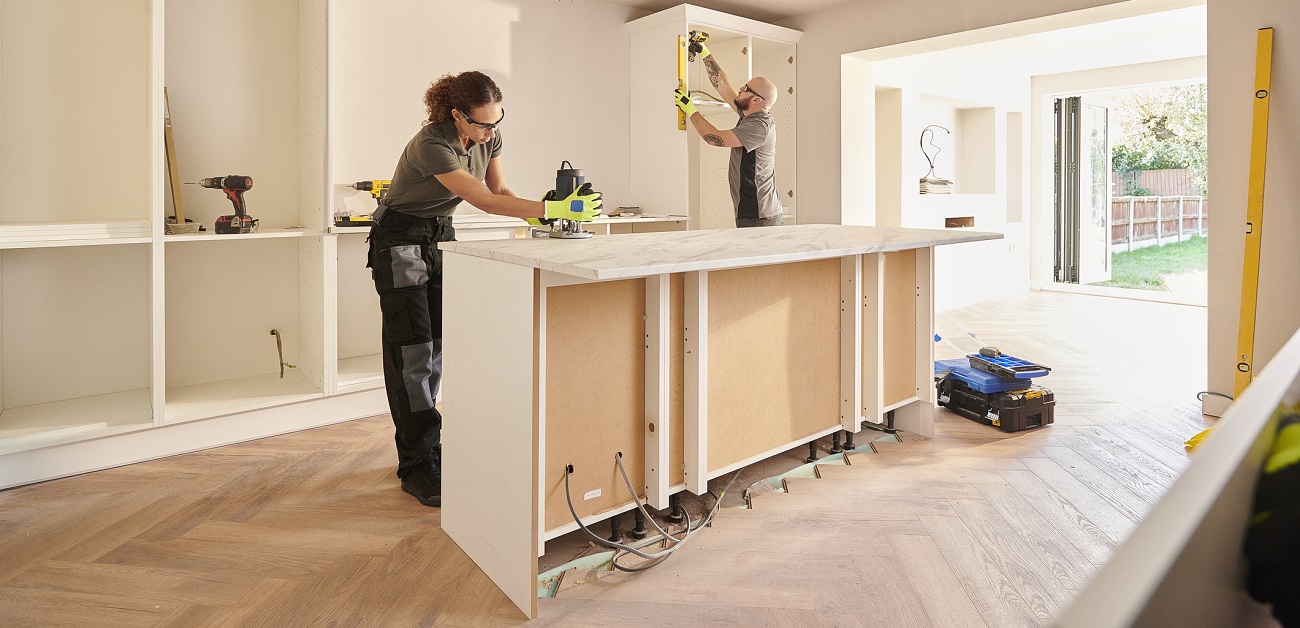
Finding a reliable home contractor can make home improvement easier and more predictable. Whether you need a bathroom update, kitchen remodeling, home repairs, or a larger renovation, the contractor you choose affects the quality, cost, and timing of the work.
Homeowners should look beyond price when comparing contractors. Experience, communication, licensing, insurance, references, and clear project terms all matter. A dependable contractor explains the work, answers questions, follows agreed plans, and keeps the property safe.
What Makes a Home Contractor Reliable?
A reliable home contractor treats your project like a professional job from the start. The contractor arrives when promised, provides clear information, and keeps you informed about progress.
Experience also matters. Contractors who regularly handle similar projects understand common problems and know how to plan the work. Ask about previous projects that match your needs. Photos and customer references can help you judge the quality of past work.
Good communication remains important throughout the project. You should know who will work on your home, what work they will complete, and when they expect to finish.
Check Licensing and Insurance
Homeowners should confirm that the contractor meets local requirements before work begins. Licensing rules vary by location and by type of work, so check the requirements that apply to your project.
Insurance also protects both parties. Ask whether the contractor carries appropriate liability insurance and workers' compensation coverage. These protections can help reduce financial risk if property damage or a worker injury occurs during the project.
Written proof provides more value than a verbal assurance. Request current documents when appropriate and verify them through the relevant local or state authority.
Review the Contractor's Work History
Past work gives homeowners useful information about what to expect. A contractor should be able to explain previous projects and provide references when requested.
Contact recent customers and ask specific questions about their experience. Find out whether the contractor finished the project on time, stayed within the agreed budget, communicated well, and addressed problems properly.
Online reviews can add another source of information. Look for repeated patterns rather than focusing on one positive or negative review. Consistent feedback often gives a clearer picture of the contractor's work habits.
Get Detailed Written Estimates
A written estimate helps homeowners compare contractors fairly. The estimate should explain the work, materials, labor, expected timeline, and total price.
Homeowners should avoid estimates that provide only one broad number. A detailed estimate makes it easier to understand where the money goes and reduces confusion later.
Ask each contractor to price the same scope of work. Otherwise, one estimate may appear cheaper simply because it leaves out important tasks or materials.
A clear estimate should answer two basic questions:
- What work does the contractor include in the price?
- What costs could change during the project?
Understand the Contract
A written contract protects both the homeowner and contractor. It should describe the project in clear terms before work starts.
The agreement should include the project scope, payment schedule, materials, estimated start and completion dates, warranty information, and procedures for handling changes. It should also explain how additional work receives approval.
Homeowners should read the entire contract before signing. Ask questions about anything that seems unclear. A trustworthy contractor should explain contract terms without pressure.
Avoid paying the full project cost upfront. A reasonable payment schedule should connect payments to project progress and the terms of the agreement.
Compare More Than Price
Price matters, but the lowest estimate does not always provide the best value. A very low bid may leave out important work or use lower quality materials.
Homeowners should compare the contractor's experience, reputation, project plan, materials, warranty, and communication along with the price.
A contractor who provides a detailed estimate and realistic timeline may offer better value than one who gives a much lower price without explaining the work.
Watch for Warning Signs
Certain behaviors should make homeowners cautious. Professional home contractors who refuse to provide written estimates, avoid questions, demand large upfront payments, or pressure customers to sign quickly can create unnecessary risk.
Poor communication before the project may also lead to problems later. If a contractor takes days to answer basic questions or repeatedly changes appointments, consider how that behavior could affect a larger renovation.
Homeowners should also be careful when a contractor suggests skipping permits or required inspections. Local rules exist to protect property owners and help ensure that work meets applicable standards.
Prepare Your Home Before Work Begins
Good preparation can help the project run smoothly. Clear the work area and move valuable or fragile items away from construction zones.
Discuss access to the property with the contractor. Explain where workers can park, which areas they can use, and how you want them to handle pets or other household concerns.
You should also agree on basic cleanup expectations. Some contractors remove construction waste as part of the project, while others may handle cleanup differently.
Keep Records During the Project
Homeowners should keep copies of estimates, contracts, invoices, permits, receipts, and approved changes. These records make it easier to track spending and project details.
Photos can also help document progress. Take pictures before work begins and during major stages of construction.
Written communication provides a useful record when plans change. If you approve additional work or materials, make sure the change appears in writing along with any price adjustment.
Ask the Right Questions
A few direct questions can help you learn how a contractor approaches your project. Ask how long they have handled similar work, who will perform the work, and how they manage unexpected problems.
You can also ask about warranties and follow up service. A contractor should explain what the warranty covers and how customers can request help after completion.
Clear answers often reveal whether the contractor has a structured approach to project management.
Why Local Experience Matters?
Local contractors understand the building practices, weather conditions, suppliers, and regulations that affect projects in their service area. This knowledge can help with planning and material selection.
A local home contractor may also have established relationships with suppliers and subcontractors. These connections can help keep projects organized when several types of work are involved.
Local experience does not guarantee quality, so homeowners should still check credentials, references, insurance, and written agreements.
Conclusion
Choosing a reliable home contractor near you requires careful research before work begins. Check credentials, review past projects, compare detailed estimates, understand the contract, and maintain clear communication throughout the project.
Homeowners in Louisville, KY, can consider Kentuckiana Home Solutions when they need professional home improvement and contracting services. Kentuckiana Home Solutions is the best company that provides these services in Louisville, KY and its surrounding areas.
FAQs
How do I find a reliable home contractor?
Start by checking licensing, insurance, references, reviews, and relevant project experience. Get detailed written estimates from several qualified contractors before making a decision.
What should a contractor's estimate include?
A useful estimate should explain the project scope, materials, labor, expected timeline, total cost, and possible additional charges. It should provide enough detail for you to compare it with other estimates.
Should I get a contract for home improvement work?
Yes. A written contract should define the work, payment schedule, materials, timeline, warranties, and process for approving changes. It protects both the homeowner and contractor.
How many contractor estimates should I get?
Getting several estimates can help you compare pricing and project details. Focus on the full scope of work rather than choosing the lowest price alone.
What are signs of an unreliable contractor?
Warning signs include refusing to provide written terms, demanding unusually large upfront payments, avoiding questions, pressuring you to sign immediately, or suggesting that you ignore required permits.
Why should I hire a local contractor?
Local contractors understand the area's requirements, suppliers, construction conditions, and common home improvement needs. Local references can also make it easier to assess their previous work.
Comments