Introduction: Understanding Lipedema in Jeddah
Lipedema in Jeddah is an important topic for people who notice unusual, persistent fat accumulation in their legs, thighs, hips, or sometimes arms. Lipedema is a chronic condition involving abnormal fat distribution that most commonly affects women. It may cause the affected areas to appear disproportionately larger than the upper body, and some individuals experience tenderness, heaviness, or easy bruising. Recognizing these patterns can help people seek an appropriate assessment and understand the available approaches to managing the condition.
Learning about lipedema is especially useful when changes in body shape do not seem to respond to ordinary weight-management efforts. Lipedema is not simply a cosmetic concern, and it should not be confused with general weight gain. Understanding its possible features, how it differs from other conditions, and when to seek professional advice can help individuals make informed decisions about their health and well-being.
Lipedema cost in Jeddah is another consideration for people exploring assessment and treatment options. The overall expense can vary depending on the type of consultation, diagnostic evaluations, recommended care, and whether a person requires ongoing management or a procedure. There is no single cost that applies to everyone. It is helpful to ask for a clear explanation of the proposed care plan, the services included, follow-up arrangements, and any additional expenses before making a decision.
For anyone researching Lipedema in Jeddah, the first step should be understanding the symptoms rather than assuming that every instance of larger legs or persistent fat accumulation indicates lipedema. Several conditions can produce similar changes in appearance. A qualified healthcare professional can review the symptoms, medical history, and physical findings to determine whether lipedema is a likely explanation or whether further investigation is needed.
What Is Lipedema?
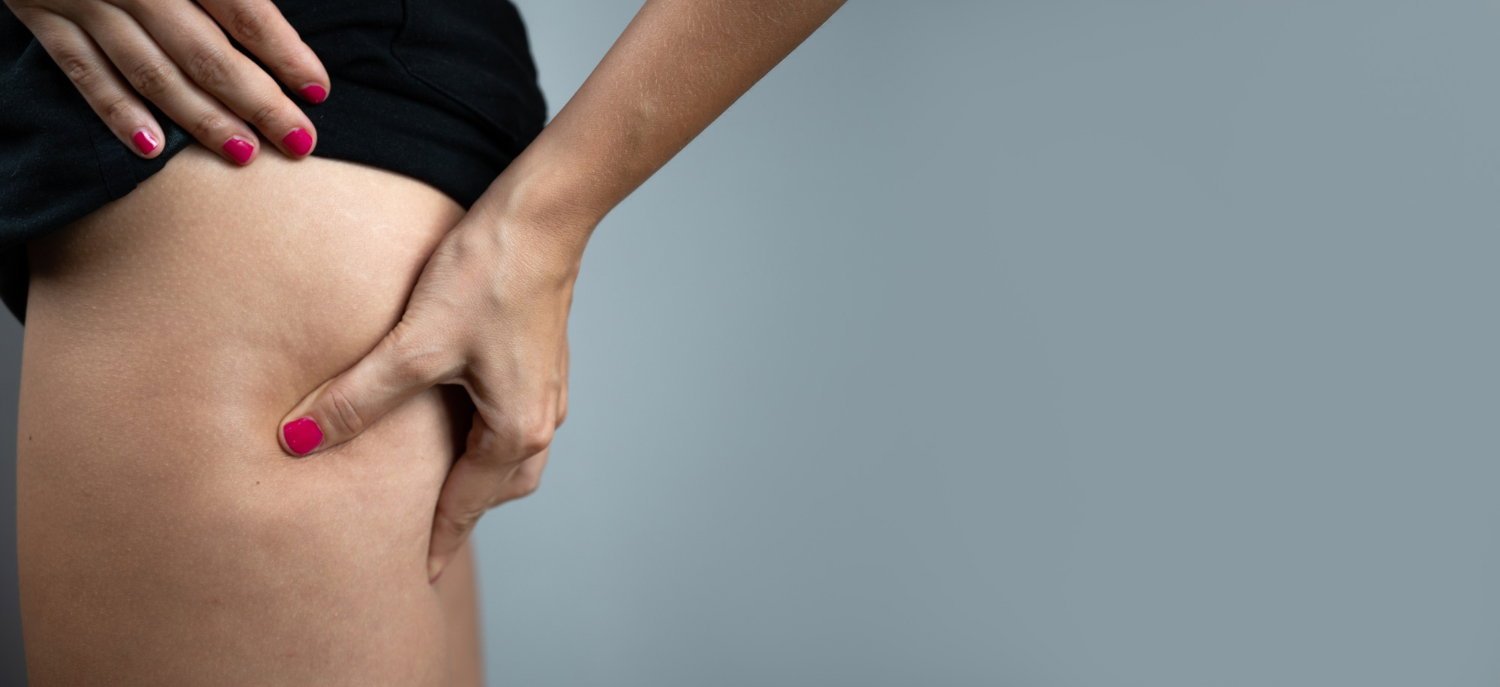
Lipedema is a long-term disorder of fat distribution that typically affects the lower body, including the hips, thighs, and legs. In some cases, the arms are also involved. The condition often develops or becomes more noticeable during periods of hormonal change, such as puberty, pregnancy, or menopause, although the timing varies between individuals.
One characteristic pattern is a relatively symmetrical increase in the size of both legs. The feet are often less affected, creating a visible difference between the lower legs and feet. However, presentations can vary, and appearance alone is not enough to establish a diagnosis.
Lipedema may involve more than changes in body proportions. Some people report discomfort when the affected tissue is pressed, a feeling of heaviness, or a tendency to develop bruises. Others notice that the affected areas remain difficult to change despite consistent lifestyle efforts.
The precise causes of lipedema are not fully understood. Researchers have investigated genetic, hormonal, vascular, and inflammatory factors, but no single explanation accounts for every case. A family history of similar body-shape patterns may be relevant, although not everyone with lipedema has an affected relative.
Recognizing the Common Symptoms of Lipedema
Understanding possible symptoms can help people decide when to seek an assessment. Symptoms differ in intensity and may change over time.
Disproportionate Fat Accumulation
One commonly described feature is the accumulation of tissue around the hips, thighs, and lower legs that appears disproportionate to the upper body. A person may notice that clothing fits differently around the legs and waist even when overall weight has remained relatively stable.
This pattern does not automatically indicate lipedema. Natural body shape, general weight changes, hormonal factors, and other medical conditions can also affect fat distribution. A healthcare professional should consider the overall pattern rather than relying on one feature.
Symmetrical Changes in Both Legs
Lipedema frequently affects both legs in a similar way. The degree of enlargement may differ from one side to the other, but the overall pattern is often symmetrical. Involvement of both arms can occur in some individuals.
Sudden swelling that affects only one leg, particularly when accompanied by pain, warmth, or redness, should not be assumed to be lipedema. Such symptoms require prompt medical assessment because other conditions may need urgent attention.
Tenderness and Sensitivity
Some people experience tenderness in the affected areas. Pressure from clothing, physical contact, or certain activities may feel uncomfortable. The severity varies, and not everyone with lipedema experiences pain.
It can be helpful to record when discomfort occurs, which areas are affected, and whether symptoms change throughout the day. This information may support a more detailed clinical discussion.
A Feeling of Heaviness
The legs may feel heavy or tired, particularly after prolonged standing or activity. This experience can affect comfort and make everyday routines more difficult. However, heaviness can also be associated with circulation problems, joint conditions, and other causes of swelling.
A careful assessment can help distinguish between these possibilities and identify appropriate next steps.
Easy Bruising
Some individuals with lipedema report bruising more easily than expected. Bruising alone is not sufficient to identify the condition, since medications, clotting problems, and other factors can also contribute.
If bruising is frequent, unexplained, or accompanied by other unusual symptoms, it is important to discuss it with a healthcare professional.
Changes in Mobility and Comfort
As the condition progresses in some individuals, increased tissue volume or discomfort may make walking, exercise, and certain daily activities more challenging. Changes in mobility can also result from unrelated conditions, so the reason should be evaluated rather than assumed.
Early recognition of functional difficulties may help people access appropriate support before movement becomes more restricted.
How Lipedema Differs From Ordinary Weight Gain
Lipedema and general weight gain can occur together, but they are not the same. General weight gain usually affects the body in a broader pattern, although individual fat distribution varies naturally. Lipedema tends to involve a distinctive pattern of disproportionate fat accumulation, often around the legs and sometimes the arms.
People with lipedema may find that changes in overall body weight do not produce equivalent changes in the affected areas. This can be frustrating, particularly when they have already tried sustainable nutrition and physical activity routines.
It is important not to interpret this experience as a lack of effort or discipline. Body composition is influenced by many factors, and lipedema is not simply the result of eating too much or exercising too little.
At the same time, no single difference can confirm the condition. A person may have lipedema, general weight gain, or another medical issue affecting the limbs. Professional assessment is the best way to explore these possibilities.
Lipedema and Other Conditions With Similar Symptoms
Several health conditions can resemble lipedema. Recognizing these differences matters because each condition may require a different approach.
Lymphedema
Lymphedema involves a buildup of lymphatic fluid in body tissues. It can cause swelling in one or more limbs and may affect the feet. Lipedema primarily involves abnormal fat distribution, although lymphatic problems may develop alongside it in some cases.
A clinician may examine the distribution of swelling, skin changes, medical history, and other relevant findings to determine whether lymphatic dysfunction is present.
Venous Circulation Problems
Problems with the veins can cause leg swelling, heaviness, skin changes, and discomfort. Symptoms may become more noticeable after standing for long periods. These features can overlap with some lipedema symptoms.
A clinical assessment can help determine whether venous disease or another circulation-related issue may be contributing to the symptoms.
General Obesity
Obesity refers to excess body fat that can affect health in several ways. Lipedema is associated with a particular distribution pattern and may exist alongside obesity. The two conditions should not be treated as interchangeable.
An appropriate care plan should consider the person's overall health, mobility, symptoms, and individual goals instead of focusing only on body measurements.
Other Causes of Swelling
Medication effects, hormonal changes, injuries, kidney or heart conditions, and other medical issues can contribute to swelling or changes in limb size. New or rapidly worsening swelling should receive medical attention, especially if it occurs suddenly or affects one limb more than the other.
Seeking a Lipedema Assessment in Jeddah
People researching Lipedema in Jeddah can begin by arranging an assessment with a qualified healthcare professional experienced in evaluating limb swelling and abnormal fat distribution. The purpose of the appointment is to understand the symptoms, consider alternative explanations, and discuss suitable management options.
Preparing for the Appointment
Before the appointment, consider writing down when the changes first appeared and whether they have progressed. Mention any periods when symptoms became more noticeable, such as hormonal changes, pregnancy, or major changes in daily activity.
Useful details may include:
- The areas where fat accumulation or swelling is most noticeable.
- Whether both legs or arms are affected.
- Any tenderness, heaviness, or mobility difficulties.
- Whether bruising occurs more frequently than expected.
- Relevant family history.
- Previous evaluations or treatments.
- Current medications and existing health conditions.
These details can make the discussion more organized and help the professional understand the overall pattern.
What Happens During an Assessment?
An assessment usually begins with a review of medical history and symptoms. The professional may examine the distribution of tissue, compare the affected areas, assess tenderness, and look for signs that suggest another condition.
There is no single blood test or scan that confirms every case of lipedema. Diagnosis is generally based on clinical findings and the exclusion of other explanations. Additional tests may be recommended when the symptoms suggest circulation problems, lymphatic dysfunction, or another underlying issue.
People should feel comfortable asking why a test is recommended and how its result could affect the care plan.
The Importance of an Individualized Evaluation
Lipedema varies considerably from one person to another. Some people mainly want help understanding changes in body shape, while others are more concerned about discomfort, mobility, or swelling.
An individualized assessment considers the symptoms that matter most to the person, the stage and distribution of the condition, other health concerns, and realistic treatment goals. It also helps avoid unnecessary procedures when the symptoms may have another explanation.
Understanding Lipedema Management Options
There is currently no universally established cure for lipedema. However, different approaches may help manage symptoms, improve comfort, and support daily functioning. The most appropriate options depend on the person's clinical findings and personal needs.
Movement and Physical Activity
Regular movement can support general health, circulation, strength, and mobility. Activities such as walking, swimming, water-based exercise, and low-impact cycling may be comfortable options for some people.
Exercise plans should be adapted to current ability and symptoms. Someone experiencing significant pain or mobility limitations may benefit from guidance from a qualified professional before starting a new routine.
The purpose of physical activity is not to promise that lipedema-related tissue will disappear. Rather, it is to support function and overall well-being.
Nutrition and General Health
A balanced eating pattern can support energy levels and overall health. There is no single diet proven to eliminate lipedema, and restrictive eating plans should not be presented as a cure.
If weight management is relevant, a sustainable approach may help address general health needs while recognizing that lipedema-related fat distribution may not respond in the same way as ordinary body fat.
People with dietary concerns or additional medical conditions can discuss suitable nutrition strategies with a qualified professional.
Compression Garments
Compression garments may be recommended for some individuals, particularly when swelling or discomfort is present. Their suitability depends on the person's symptoms and circulation.
Correct sizing and appropriate guidance are important. Compression should not be selected solely based on appearance or purchased with the expectation that it will remove lipedema tissue. A professional can help determine whether it is suitable and how it should be used.
Manual Therapy and Supportive Care
Some people may benefit from professionally guided approaches that address comfort, movement, or coexisting swelling. The benefits depend on the individual's needs and the underlying cause of symptoms.
Supportive care should form part of a broader plan rather than being presented as a guaranteed solution. The purpose, expected benefits, practical requirements, and limitations of each option should be discussed in advance.
Surgical Considerations
In selected cases, a clinician may discuss liposuction techniques designed to remove abnormal fat tissue associated with lipedema. Suitability depends on the person's symptoms, overall health, the extent of the condition, and previous management.
Surgery is not appropriate for everyone and should not be treated as an automatic next step after diagnosis. A thorough assessment is needed to discuss potential benefits, limitations, recovery requirements, and the possibility that symptoms may persist or require ongoing management.
People considering a procedure should ask about the professional's relevant training, the proposed technique, aftercare, and how progress will be evaluated.
Planning the Cost of Lipedema Care in Jeddah
The financial aspect of assessment and treatment can influence a person's decisions. Lipedema cost in Jeddah may differ substantially according to the type of care being considered and the complexity of the individual's needs.
Factors That May Affect Cost
Several factors may influence the overall expense:
- Initial assessment: The consultation fee may vary according to the type of professional and the complexity of the evaluation.
- Diagnostic investigations: Additional tests may be recommended when other causes of swelling need to be considered.
- Conservative management: Compression garments, supervised exercise, or supportive therapies may involve ongoing expenses.
- Surgical treatment: If a procedure is appropriate, costs may depend on the technique, extent of treatment, facility fees, and aftercare.
- Follow-up appointments: Ongoing reviews may be needed to assess progress and adjust the management plan.
Not every person needs every service. An accurate estimate should be based on the recommended plan rather than a generic advertised price.
Questions to Ask About Pricing
When comparing options, request a written breakdown of the estimated cost. Ask whether consultations, investigations, garments, facility charges, and follow-up appointments are included. If surgery is being considered, clarify what the estimate covers and whether additional services may be billed separately.
It is also useful to ask about payment arrangements and whether any part of the proposed care may be covered by insurance. Coverage varies by provider, policy, and the medical necessity of the service, so confirmation should be obtained directly from the relevant insurer.
Cost should be considered alongside professional qualifications, the quality of assessment, communication, and continuity of care.
Choosing a Professional for Lipedema Assessment
Choosing an appropriate professional is an important part of the process. People looking into Lipedema in Jeddah should prioritize a careful clinical assessment and clear communication over promises of rapid or guaranteed results.
Review Relevant Experience
Ask whether the professional has experience assessing lipedema and distinguishing it from lymphedema, venous disease, and other causes of limb enlargement. If a procedure is being considered, ask about relevant surgical training and experience with the proposed technique.
It is reasonable to request an explanation of the assessment process and the reasons a particular management approach is being recommended.
Look for Clear, Balanced Information
A responsible discussion should cover what is known about the condition, what remains uncertain, the available management options, and the likely practical demands of each approach. Be cautious about claims that a particular treatment permanently cures every case or guarantees a specific body shape.
Discuss Your Personal Goals
Some people want to reduce discomfort, others want to improve movement, and some are interested in changes to limb proportions. These goals may overlap, but they are not identical.
Dr. Hattan Aljaaly may be included in the information-gathering process when exploring professional guidance. As with any healthcare decision, individuals should independently confirm qualifications, relevant experience, the scope of services offered, and whether the proposed care is appropriate for their circumstances.
The most useful consultation is one that allows questions, explains the reasoning behind recommendations, and respects the individual's preferences.
Emotional Well-Being and Daily Life With Lipedema
Living with visible changes in body shape or persistent physical discomfort can affect confidence and emotional well-being. Some individuals encounter misunderstandings when others assume that their body shape is entirely related to lifestyle choices.
Learning about lipedema may help people describe their experience more clearly and advocate for a proper assessment. It is important to remember that a person's worth is not determined by body size or appearance.
Practical adjustments may also make everyday life easier. Comfortable clothing, suitable footwear, regular movement breaks, and activities adapted to current ability can support comfort. People experiencing distress about their body image may find it helpful to talk with a trusted healthcare professional or a qualified mental health provider.
Family members and friends can offer meaningful support by listening without judgment and recognizing that the condition may involve both physical and emotional challenges.
When Should You Seek Medical Advice?
An assessment is worthwhile when persistent, disproportionate fat accumulation is accompanied by tenderness, heaviness, easy bruising, or difficulties with everyday movement. It is also appropriate when changes in limb size remain unexplained or are causing concern.
Some symptoms should not wait for a routine lipedema appointment. Sudden swelling in one leg, especially with pain, warmth, or redness, requires urgent medical evaluation. Chest pain, sudden shortness of breath, or coughing up blood requires emergency medical assistance.
These symptoms do not necessarily indicate lipedema and may point to other conditions requiring prompt attention. Seeking timely care helps ensure that possible causes are evaluated appropriately.
Conclusion: Taking an Informed Approach to Lipedema in Jeddah
Lipedema in Jeddah is a topic worth understanding for anyone experiencing persistent, disproportionate fat accumulation in the legs or arms, particularly when accompanied by tenderness, heaviness, or easy bruising. Recognizing possible symptoms is a useful first step, but an accurate assessment is essential because several other conditions can produce similar changes.
A thoughtful approach includes reviewing symptoms and medical history, understanding the differences between lipedema and other causes of limb enlargement, and discussing practical management options with a qualified healthcare professional. Movement, appropriate supportive care, compression when recommended, and selected surgical approaches may have a role depending on the individual's circumstances.
Understanding Lipedema cost in Jeddah can also help people plan responsibly. Rather than relying on a single advertised price, it is better to request a clear estimate based on the proposed assessment and care plan. Questions about qualifications, expected outcomes, follow-up, and long-term management should be part of the decision-making process.
Above all, people should seek reliable information and individualized guidance instead of assuming that body shape alone confirms lipedema. With an appropriate assessment and realistic expectations, individuals can make better-informed choices about their health, comfort, and quality of life.
Frequently Asked Questions
1. What is lipedema?
Lipedema is a chronic condition involving abnormal fat distribution, most often affecting the hips, thighs, and legs. It may also affect the arms. Some individuals experience tenderness, heaviness, or easy bruising, but symptoms vary. A professional assessment is needed to distinguish it from other causes of limb enlargement.
2. What are the early signs of lipedema?
Possible signs include symmetrical enlargement of the legs, disproportionate fat accumulation, tenderness, easy bruising, and a feeling of heaviness. The feet may be less affected than the legs. These signs are not specific to lipedema, so an assessment is important if changes persist or cause concern.
3. How is lipedema diagnosed in Jeddah?
Assessment generally involves a review of medical history, symptoms, and physical findings. A professional may examine the distribution of tissue and consider other possible causes, including lymphatic or venous conditions. Additional tests may be recommended when needed, but no single test confirms every case of lipedema.
4. Is lipedema the same as obesity?
No. Lipedema involves a characteristic pattern of abnormal fat distribution and may occur alongside obesity, but the conditions are not identical. General weight changes and lipedema-related tissue may respond differently to lifestyle changes. A healthcare professional can help assess the pattern and identify appropriate support.
5. Can exercise eliminate lipedema?
Exercise cannot be promised to eliminate lipedema-related fat tissue. However, suitable physical activity can support strength, mobility, circulation, and general health. Activities should be adapted to the person's comfort and ability, particularly when pain or movement limitations are present.
6. What affects Lipedema cost in Jeddah?
The cost depends on the type of assessment, any recommended investigations, conservative management, garments, follow-up appointments, and whether a procedure is considered appropriate. Because care needs differ, individuals should request an itemized estimate based on their own assessment rather than relying on a general price.
7. Is surgery necessary for everyone with lipedema?
No. Surgery is not required for everyone. Management depends on symptoms, individual goals, overall health, and the findings of the assessment. Some people may focus on conservative approaches, while selected individuals may discuss surgical options with an appropriately qualified professional.
8. Can lipedema affect the arms as well as the legs?
Yes. Although the legs and hips are commonly affected, lipedema can also involve the arms. The pattern varies between individuals. A professional can assess which areas are affected and consider whether other conditions may be contributing to changes in limb size.
9. When should someone seek an assessment for possible lipedema?
Consider an assessment when disproportionate fat accumulation persists, particularly if it is accompanied by tenderness, heaviness, easy bruising, or difficulty with movement. Sudden swelling in one leg, especially with pain, warmth, or redness, requires urgent medical evaluation rather than being assumed to be lipedema.
10. How can I prepare for a lipedema consultation?
Write down when the symptoms began, which areas are affected, whether symptoms have changed, and any relevant family or medical history. Bring a list of medications and previous test results if available. Prepare questions about the assessment, management options, expected outcomes, follow-up needs, and estimated costs.

Comments