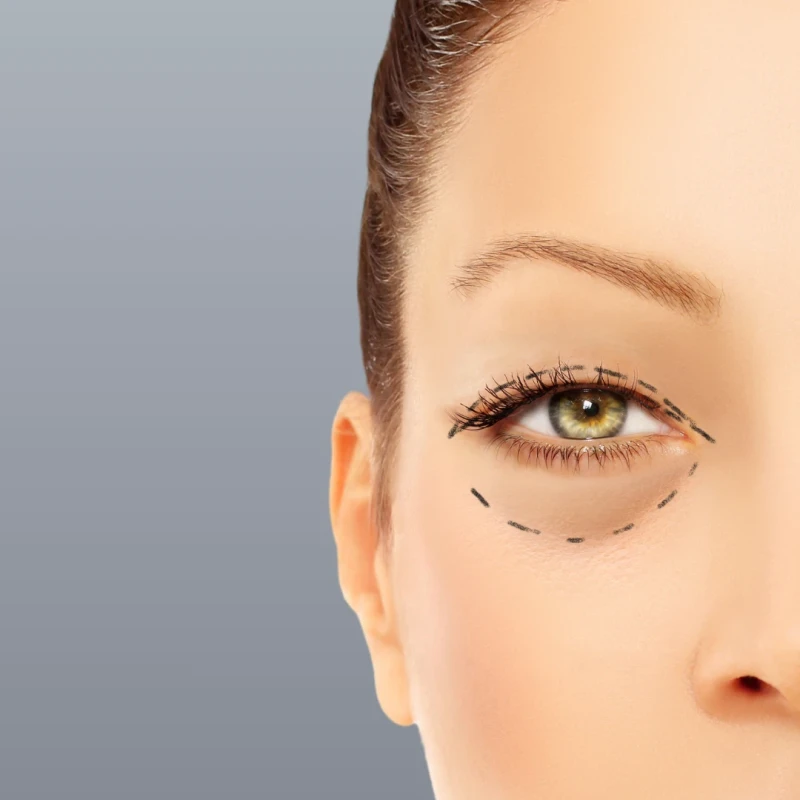
The lower eyelid is an important part of the facial structure and plays a significant role in the appearance of the eyes. Changes in the skin, soft tissue and surrounding structures can gradually affect the way the lower eye area looks. Some people may notice under-eye fullness, loose skin or changes in the transition between the lower eyelid and cheek. Understanding the individual anatomy of this area is therefore an important part of treatment planning.
When considering Lower Blepharoplasty in London, a detailed consultation allows the lower eyelid area to be assessed from different perspectives. Rather than focusing on a single feature, the clinician can examine the skin, underlying tissues, eyelid position, facial proportions and relationship between the lower eyelid and cheek.
For patients exploring Lower Eyelid Surgery In London, this assessment provides an opportunity to understand the factors contributing to the appearance of the lower eye area and how an individual treatment plan may be developed.
Why Is the Lower Eyelid Area Assessed?
The lower eyelid has a complex structure. Its appearance is influenced by the skin, muscles, supporting tissues and fat compartments beneath the skin. The cheek and surrounding facial anatomy also contribute to how the lower eyelid appears.
Because of this, an assessment should look at the complete lower eye area rather than concentrating only on visible skin or under-eye fullness.
During a consultation, the clinician can examine the characteristics of the lower eyelids and identify the features that are most relevant to the patient's concerns. This can include the amount of visible skin, the distribution of soft tissue and the natural contour between the eyelid and cheek.
A comprehensive assessment helps ensure that treatment planning is based on the individual's anatomy rather than a standard approach.
How Is the Lower Eyelid Examined?
The assessment generally begins with an examination of the lower eyelids while the face is relaxed. The clinician may observe the area from the front and from different angles to understand its natural contours.
Several characteristics may be considered, including:
- The quality and elasticity of the lower eyelid skin
- The presence and distribution of excess tissue
- The shape and position of the lower eyelid
- The transition between the eyelid and cheek
- The position of the outer corner of the eye
- The relationship between both lower eyelids
- The proportions of the eye area and surrounding face
These observations help create a detailed picture of the lower eyelid structure.
For someone considering Lower Blepharoplasty in London, the assessment is an important opportunity to understand which anatomical features may influence the proposed treatment.
How Is Excess Lower Eyelid Skin Evaluated?
Skin quality is one of the factors considered during a lower eyelid assessment. The clinician may look at the amount of loose or excess skin and how it naturally folds when the face is relaxed.
Skin elasticity can also influence the appearance of the lower eyelid. Some individuals may have relatively firm skin with more prominent underlying fullness, while others may have changes in both skin and soft tissue.
The clinician can assess these characteristics individually and consider how they relate to the patient's overall facial structure.
This helps establish whether the appearance of the lower eyelid is primarily associated with skin, underlying tissue or a combination of different anatomical features.
What Role Does Under-Eye Fullness Play?
Under-eye fullness can have different anatomical causes. In some people, the appearance may be influenced by the natural distribution of fat around the eye. In others, changes in surrounding tissues can affect the contour of the lower eyelid.
During consultation, the clinician may evaluate where fullness is located and how it relates to the rest of the lower eye area.
The position and distribution of the tissue are important because the lower eyelid should be considered as part of a continuous transition between the eye and cheek.
For patients considering Lower Eyelid Surgery In London, understanding this relationship can help explain why a detailed assessment is needed before developing a treatment plan.
How Is the Eyelid-to-Cheek Transition Considered?
The area beneath the lower eyelid does not exist independently from the cheek. The transition between these two areas can have a noticeable effect on facial contours.
During an assessment, the clinician may examine the point where the lower eyelid transitions into the upper cheek. Changes in soft tissue distribution and facial volume can influence the appearance of this region.
Looking at the eyelid and cheek together provides a broader understanding of the patient's facial anatomy.
This is particularly relevant when planning Lower Blepharoplasty in London, as the desired appearance may involve improving the overall relationship between the lower eyelid and surrounding facial features rather than focusing on one isolated area.
Why Is Skin Elasticity Considered?
Skin elasticity affects the way the lower eyelid skin sits over the underlying structures. The clinician may gently assess the skin and observe how it behaves when the face is at rest.
The quality of the skin can vary significantly from one person to another. Age, genetics and individual facial characteristics can all influence skin texture and elasticity.
By considering these characteristics during the consultation, the clinician can develop a more accurate understanding of the lower eyelid area.
This assessment is part of creating an approach that reflects the patient's specific anatomy and treatment goals.
How Is Lower Eyelid Position Assessed?
The position of the lower eyelid is another important consideration. The clinician may examine how the eyelid sits in relation to the eye and surrounding structures.
The shape of the lower eyelid and its relationship with the outer corner of the eye can also be reviewed. Natural differences between the two sides may be noted as part of the overall assessment.
Evaluating eyelid position helps the clinician understand the existing structure before discussing an appropriate treatment approach.
For people researching Lower Eyelid Surgery In London, this demonstrates why consultation involves more than simply examining the amount of visible skin.
Does Facial Symmetry Matter During Assessment?
Facial symmetry is considered because the two sides of the face are rarely exactly identical. Subtle differences in the position, shape or contour of the lower eyelids are common.
During a consultation, both sides can be compared to identify natural variations. The clinician may assess the amount of visible tissue, eyelid position, eye shape and surrounding facial contours.
Understanding these differences allows them to be incorporated into the treatment plan.
The purpose is not necessarily to create perfectly identical eyelids but to understand the patient's natural anatomy and plan treatment accordingly.
How Does the Cheek Structure Influence the Assessment?
The cheek provides important support and contour beneath the lower eyelid. Its shape and volume can influence the way the under-eye area appears.
During an assessment, the clinician may therefore examine the cheek as well as the lower eyelid. This can help explain differences in the transition between the eye and cheek and provide context for the patient's concerns.
Looking at the entire region creates a more complete assessment of facial proportions.
For patients considering Lower Blepharoplasty in London, this broader perspective can be valuable when discussing their desired aesthetic outcome.
What Is Considered When Planning Lower Eyelid Treatment?
Once the lower eyelid has been assessed, the clinician can bring together the different findings to develop an individual treatment plan.
Factors that may be considered include the amount of excess skin, skin quality, underlying tissue distribution, lower eyelid position, facial symmetry and the relationship between the eyelid and cheek.
The patient's personal goals are also important. A treatment plan should reflect what the individual wants to achieve while taking their existing facial structure into account.
This personalised approach helps ensure that treatment planning is based on the patient's specific characteristics rather than a generic formula.
Why Are Individual Facial Proportions Important?
Facial proportions influence how every part of the face is perceived. The lower eyelids form part of the central facial area and are closely connected visually with the cheeks, nose and upper face.
A feature that appears prominent on one face may look entirely different on another because of variations in facial structure.
For this reason, a clinician assessing Lower Eyelid Surgery In London may consider the lower eyelid within the context of the patient's entire face.
This allows treatment objectives to be discussed in terms of overall balance rather than focusing solely on one isolated characteristic.
How Are Patient Goals Included in the Assessment?
A successful consultation involves both anatomical assessment and communication. Patients can explain what they have noticed about their lower eyelids and which aspects of their appearance concern them most.
For example, a person may be primarily concerned about under-eye fullness, while another may focus on loose skin or the overall transition between the lower eyelid and cheek.
Understanding these priorities helps the clinician relate the patient's concerns to the findings from the physical assessment.
During a Blepharoplasty Clinic in London consultation, this discussion can help establish realistic and personalised treatment objectives.
What Happens During the Consultation?
A consultation provides time to review the patient's concerns and examine the lower eyelid area in detail. The clinician may assess the eyes, eyelids, surrounding soft tissues and facial proportions.
The findings can then be discussed with the patient, including the features that may be contributing to the appearance of the lower eye area.
Patients can also ask questions about the proposed treatment approach and how their individual anatomy has influenced the recommendations.
This process creates a clearer understanding of what may be considered before proceeding with Lower Blepharoplasty in London.
Choosing a Blepharoplasty Clinic in London
Choosing a suitable clinic is an important part of the treatment journey. Patients researching Lower Blepharoplasty in London may wish to consider whether the consultation process provides a detailed assessment of the lower eyelids and surrounding facial structures.
A thorough approach should consider more than one visible characteristic. Skin quality, tissue distribution, eyelid position, facial proportions and individual goals can all contribute to treatment planning.
At a Blepharoplasty Clinic in London, discussing these factors during consultation can help patients understand how their lower eyelid area may be assessed and how an individualised plan can be developed.
Conclusion
The lower eyelid is a complex facial area influenced by skin, soft tissue, eyelid position, cheek structure and overall facial proportions. For this reason, assessing the area requires more than simply looking at visible under-eye fullness or excess skin.
When considering Lower Blepharoplasty in London, a detailed consultation can examine the different anatomical features that contribute to the appearance of the lower eyelids. Skin quality, tissue distribution, eyelid position, symmetry and the eyelid-to-cheek transition may all be considered when developing an individual treatment plan.
For those exploring Lower Eyelid Surgery In London, understanding how the lower eyelid is assessed can make the consultation process clearer and provide a better understanding of how treatment planning is tailored to individual facial characteristics.
FAQs
What is assessed during a lower blepharoplasty consultation?
The lower eyelid assessment may include skin quality, excess tissue, eyelid position, under-eye fullness, facial symmetry and the relationship between the lower eyelid and cheek.
Why is the lower eyelid assessed together with the cheek?
The lower eyelid and cheek form a continuous facial contour. Assessing both areas helps the clinician understand how their structures interact and influence the overall appearance.
How is excess skin evaluated on the lower eyelid?
The clinician may examine the amount, quality and elasticity of the lower eyelid skin while observing how it naturally rests and folds.
Is under-eye fullness assessed during consultation?
Yes. The clinician may assess the location and distribution of under-eye fullness and consider how it relates to the surrounding eyelid and cheek structures.
Does skin quality influence lower eyelid treatment planning?
Skin texture and elasticity can be considered because they affect how the lower eyelid appears and how the tissue naturally sits over the underlying structures.
Is facial symmetry considered during lower eyelid assessment?
Yes. Both lower eyelids may be compared to identify natural differences in position, shape and tissue distribution.
Why is lower eyelid position evaluated?
Assessing the position of the lower eyelid helps the clinician understand its relationship with the eye and surrounding facial structures when developing an individual treatment plan.
Can cheek structure affect the appearance of the lower eyelid?
Yes. The shape and volume of the cheek can influence the transition between the lower eyelid and cheek and may therefore be considered during assessment.
What should I discuss during a lower blepharoplasty consultation?
You can explain the features you would like to address, your aesthetic preferences and any questions you have about the assessment and proposed treatment approach.
How is lower blepharoplasty treatment personalised?
Treatment planning may consider skin quality, tissue distribution, eyelid position, facial proportions, symmetry, cheek structure and the patient's individual aesthetic goals.
Where can I learn more about Lower Blepharoplasty in London?
People considering Lower Blepharoplasty in London can discuss their individual concerns and lower eyelid anatomy during a consultation at a suitable Blepharoplasty Clinic in London.
Comments