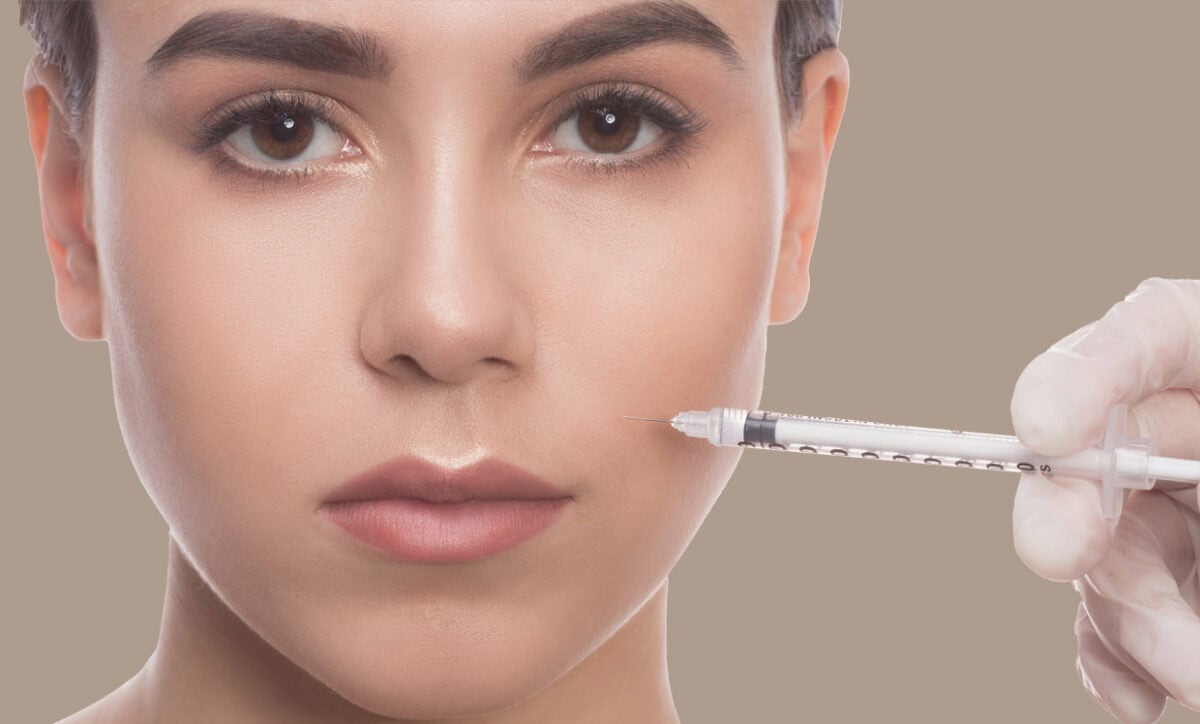
Skin quality can change significantly over time as the body's natural processes become slower and the skin's ability to maintain hydration, elasticity, and structural support changes. Fine lines, uneven texture, dryness, and reduced firmness can become more noticeable, leading many people to explore treatments designed to support overall skin quality rather than simply adding volume.
Polynucleotide in London is an injectable skin treatment that focuses on supporting skin regeneration and improving the overall condition of the treated area. Polynucleotides are biological molecules that can interact with skin tissue and support processes associated with repair and regeneration.
Unlike traditional dermal fillers, which are primarily used to add volume or enhance facial contours, polynucleotide treatments are generally focused on skin quality. They may be considered for areas such as the face, neck, and other selected areas where improvements in texture and firmness are desired.
Understanding what happens after treatment is an important part of the treatment journey. The effects of polynucleotides develop progressively, and the skin may continue to change as the treatment works within the tissues.
At Bodyvie Clinic, patients can discuss their skin concerns and treatment goals during a consultation before deciding whether Polynucleotide Injections London are appropriate for their individual needs.
What Are Polynucleotides?
Polynucleotides are chains of nucleotides, which are the building blocks of nucleic acids such as DNA and RNA. In aesthetic medicine, purified polynucleotide-based products are administered through a series of small injections into selected areas of the skin.
The purpose of treatment is not primarily to create additional facial volume. Instead, polynucleotides are used as a skin-quality treatment that can support tissue regeneration and hydration.
The practitioner determines which product and treatment approach are suitable according to the patient's skin characteristics and treatment objectives.
What Happens Immediately After Polynucleotide Treatment?
Following Polynucleotide Injections London, the skin may look slightly different immediately after the appointment because of the injection process.
The treated area is allowed to settle while the product begins interacting with the surrounding tissues. Patients receive specific aftercare instructions from their practitioner based on the area treated and the treatment protocol.
It is important to remember that polynucleotide treatment is not generally designed to produce an instant transformation. The desired changes develop gradually as the skin responds to the treatment.
What Can You Expect During the First Few Days?
The first few days following treatment are primarily a settling period. The skin gradually returns to its usual appearance while the treatment begins its biological processes.
Patients may notice temporary changes at the injection points, but these generally become less noticeable as the skin settles.
The practitioner may recommend temporarily adjusting certain skincare or aesthetic routines. Patients should follow the individual instructions provided by their clinic.
During this early period, it is useful to avoid unnecessary manipulation of the treated area unless advised otherwise by the practitioner.
How Do Polynucleotides Work Within the Skin?
Polynucleotides are thought to support the skin's natural regenerative processes. They can interact with cells and the surrounding extracellular environment, supporting biological activity associated with tissue repair and skin quality.
The treatment may also contribute to improved hydration and skin structure.
Rather than acting like a conventional filler that creates immediate structural volume, polynucleotide treatment works progressively.
This is why patients may notice gradual improvements rather than a dramatic change immediately following their appointment.
When Do Polynucleotide Results Start to Develop?
The timeline varies between individuals. Some patients may notice changes in skin hydration or texture relatively early, while other improvements develop progressively over subsequent weeks.
The skin's response depends on factors such as age, skin condition, treatment area, lifestyle, and the individual's natural biological response.
A course of treatments may be recommended rather than relying on a single appointment. The practitioner can explain the appropriate schedule during consultation.
Can Polynucleotides Improve Skin Hydration?
Skin hydration is an important aspect of overall skin quality. Dehydrated skin can appear dull, rough, or less supple.
Polynucleotide treatments may support improved hydration within the treated skin, contributing to a smoother and healthier-looking appearance.
However, hydration is influenced by many factors, including skincare, environmental conditions, fluid intake, and natural skin characteristics.
A personalised treatment plan considers these factors when determining whether polynucleotides are appropriate.
Can Polynucleotides Improve Skin Texture?
Uneven skin texture can become more noticeable with age. Changes in collagen, elastin, hydration, and cell turnover can affect how smooth the skin appears.
Polynucleotides may support skin regeneration and contribute to gradual improvements in texture.
The treatment is generally focused on improving the quality of the skin rather than changing facial structure.
This makes it different from treatments specifically designed to increase volume or reshape facial contours.
Can Polynucleotides Improve Skin Firmness?
Skin firmness is influenced by collagen, elastin, hydration, and the underlying structure of the skin.
As these components change over time, the skin may appear less firm. Polynucleotide treatment may support processes associated with collagen production and tissue regeneration.
Over time, this can contribute to an improved appearance of firmness and elasticity in suitable treatment areas.
The extent of improvement depends on the individual's skin and response to treatment.
Which Areas Can Be Treated?
Polynucleotide treatments can be considered for several areas where improved skin quality is desired.
The face is a common treatment area, with practitioners potentially focusing on regions such as the cheeks and other areas affected by changes in skin texture.
The neck can also be considered when skin quality and elasticity are the primary concerns.
Some polynucleotide products may be used in other selected areas depending on the product and practitioner's treatment protocol.
The appropriate treatment areas are determined during consultation.
Can Polynucleotides Be Used Around the Eyes?
The skin around the eyes is particularly delicate and can show changes in texture, hydration, and elasticity.
Certain polynucleotide treatments are specifically formulated or used for delicate areas such as the periocular region.
Whether treatment is appropriate around the eyes depends on the product being used, the patient's anatomy, and the practitioner's assessment.
A consultation at a specialist Polynucleotide Injections Clinic in London can determine whether this area is suitable for treatment.
How Many Treatments Are Usually Needed?
Polynucleotide treatment is often provided as a course rather than a single session. The number and frequency of treatments depend on the product, treatment area, skin condition, and desired outcome.
The practitioner can assess the patient's skin and recommend an appropriate treatment schedule.
Some people may require a shorter course, while others may benefit from a more structured treatment programme.
The treatment plan should always be based on individual skin needs rather than applying the same schedule to every patient.
What Happens Between Treatment Sessions?
The skin continues to respond after each treatment session. The biological processes associated with regeneration and skin quality can continue during the period between appointments.
Patients may gradually notice changes in hydration, texture, and overall skin appearance as the course progresses.
Following the recommended skincare and aftercare routine can support the treatment plan.
The practitioner may adjust the treatment schedule depending on how the skin responds.
Can Polynucleotides Be Combined With Other Treatments?
Polynucleotides may form part of a wider aesthetic treatment plan. However, combining injectable treatments should always be carefully planned.
Different treatments work through different mechanisms. Dermal fillers primarily add volume, while polynucleotides focus more on skin quality and regenerative processes.
The practitioner can determine whether treatments should be performed separately or incorporated into a broader plan.
Spacing between treatments may also be recommended depending on the products and procedures involved.
What Skincare Can Be Used After Treatment?
Post-treatment skincare depends on the treatment area and the practitioner's instructions.
Patients may be advised to use gentle skincare products and temporarily avoid treatments that involve significant exfoliation or irritation.
The practitioner can explain when active skincare ingredients, facial treatments, or professional procedures can be resumed.
Following personalised skincare guidance can help maintain the condition of the treated skin.
When Can You Return to Your Normal Routine?
Many patients can gradually return to their usual routine after polynucleotide treatment, depending on the practitioner's advice.
The timing can vary according to the treatment area and the individual's response.
Patients should avoid making assumptions based on another person's experience because treatment protocols can differ.
The clinic can provide clear guidance regarding work, exercise, skincare, and other activities.
How Long Do Polynucleotide Results Last?
Polynucleotide treatment is intended to support longer-term improvements in skin quality rather than provide permanent changes.
How long the effects remain noticeable depends on factors such as the patient's age, skin condition, lifestyle, treatment protocol, and maintenance plan.
Some patients may choose follow-up treatments to maintain improvements in skin quality.
The practitioner can discuss maintenance options based on the individual's skin and treatment response.
Why Is a Personalised Treatment Plan Important?
Skin quality varies considerably between individuals. Two people of the same age can have very different levels of hydration, elasticity, pigmentation, and texture.
A personalised assessment allows the practitioner to determine which areas should be treated and how the treatment should be structured.
The treatment plan can also be adjusted according to the patient's response over time.
At a Polynucleotide Injections Clinic in London, consultation provides an opportunity to discuss these factors before treatment begins.
What Should You Discuss During Your Consultation?
Before receiving polynucleotide treatment, patients should discuss their main skin concerns and desired improvements.
It is useful to explain whether the primary concern is dryness, texture, fine lines, loss of firmness, or overall skin quality.
The practitioner can then assess the skin and explain whether polynucleotides are suitable.
Patients can also ask about the recommended number of sessions, treatment intervals, aftercare, and expected timeline for visible changes.
Choosing a Polynucleotide Injections Clinic in London
Choosing an established Polynucleotide Injections Clinic in London allows patients to receive an individual assessment before treatment.
A professional consultation can help establish whether polynucleotide treatment is appropriate and which areas may benefit most.
At Bodyvie Clinic, patients can discuss their aesthetic and skin-quality concerns and explore a treatment plan designed around their individual needs.
Conclusion
Polynucleotide in London offers a skin-focused injectable approach designed to support regeneration, hydration, texture, and overall skin quality. Unlike dermal fillers, which are primarily used to add volume and enhance facial contours, polynucleotides focus on the condition and quality of the skin.
After Polynucleotide Injections London, the treated area can gradually settle while the skin begins responding to the product. Improvements may develop progressively over several weeks, with hydration, texture, firmness, and overall skin appearance potentially becoming more refined as treatment progresses.
The number of sessions required varies according to individual skin condition, treatment area, and treatment objectives. A personalised approach is therefore important when planning polynucleotide therapy.
For anyone considering this treatment, consultation with a specialist Polynucleotide Injections Clinic in London can provide personalised information about suitable treatment areas, the recommended course, aftercare, and the expected development of results.
FAQs
What is Polynucleotide in London?
Polynucleotide in London is an injectable skin-quality treatment using purified polynucleotide-based products. It is designed to support skin regeneration, hydration, and overall tissue quality.
What happens after Polynucleotide Injections London?
After Polynucleotide Injections London, the treated skin gradually settles while the product begins interacting with the surrounding tissues. Improvements generally develop progressively rather than appearing immediately.
When can I see results from polynucleotide treatment?
Results develop at different rates between individuals. Some changes may become noticeable relatively early, while improvements in texture, hydration, and firmness can continue developing over subsequent weeks.
How many polynucleotide treatments are needed?
The recommended number of sessions depends on the patient's skin condition, treatment area, product, and aesthetic goals. A practitioner can recommend an individual treatment schedule during consultation.
Can polynucleotides improve skin texture?
Polynucleotides may support skin regeneration and contribute to improvements in texture and overall skin quality. The degree of change varies between individuals.
Can polynucleotides improve skin hydration?
Yes. Polynucleotide treatment may support hydration within the treated skin, which can contribute to a smoother and more supple appearance.
Can polynucleotides improve skin firmness?
Polynucleotides can support biological processes associated with collagen and tissue regeneration. Over time, this may contribute to improved-looking skin firmness and elasticity.
Which areas can be treated with polynucleotides?
The face and neck are commonly considered treatment areas. Certain products may also be suitable for delicate areas around the eyes or other selected areas.
Can polynucleotides be used around the eyes?
Some polynucleotide products are designed for delicate areas around the eyes. Suitability depends on the specific product, treatment protocol, and patient's individual anatomy.
Are polynucleotides the same as dermal fillers?
No. Dermal fillers are primarily designed to add volume and enhance facial contours, whereas polynucleotides are generally used to support skin quality and regenerative processes.
Can polynucleotides be combined with other aesthetic treatments?
They may be incorporated into a broader treatment plan, depending on the patient's needs. The practitioner determines how different treatments should be scheduled.
How long do polynucleotide results last?
The duration varies according to individual skin characteristics, treatment protocol, lifestyle, and maintenance. Follow-up treatments may be recommended depending on the patient's goals.
What skincare can I use after treatment?
The practitioner provides personalised skincare advice. Gentle products may be recommended initially, while certain active ingredients or intensive treatments may need to be temporarily adjusted.
Where can I have Polynucleotide Injections London?
Patients can consult an established Polynucleotide Injections Clinic in London, such as Bodyvie Clinic, to discuss their skin concerns and explore appropriate treatment options.
Why is a consultation important before polynucleotide treatment?
A consultation allows the practitioner to assess skin quality, understand the patient's goals, identify appropriate treatment areas, and develop a personalised course of treatment.
Comments