Property Planning and Architectural Design for Functional Living Spaces
Creating a well-designed property requires more than choosing a floor plan. Every detail should support the way people live, work, and move through a space. Good design helps improve comfort, efficiency, and long-term value. Whether it is a new build or a renovation, thoughtful planning can make a significant difference in the final result.
Understanding the Importance of Architectural Design
Architectural design plays a major role in how a property functions. A carefully planned layout can improve daily living and make better use of available space. It also helps ensure that the building fits the needs of the people who will use it.
Good design is not only about appearance. It also focuses on traffic flow, storage, natural light, and energy efficiency. These elements work together to create spaces that feel comfortable and practical.
Many property owners invest time in design planning because it helps prevent costly changes later. Early planning allows important decisions to be made before construction begins.
How Design Planning Influences Property Value
A well-designed property often attracts greater interest from buyers and investors. People appreciate spaces that are functional and visually appealing. Features such as open layouts, efficient room placement, and quality finishes can improve market appeal.
Design planning also helps properties remain useful over time. Flexible spaces can adapt to changing needs, making them more attractive in the future. This long-term usability can contribute to stronger property value.
When design decisions are made carefully, the final property often stands out in competitive markets. Buyers recognize the benefits of thoughtful planning and quality execution.
The Role of a Professional Designer
A professional designer helps turn ideas into workable plans. They evaluate the property, understand project goals, and develop solutions that fit the site and budget. Their experience can help avoid design issues that may otherwise cause delays.
A designer also coordinates different aspects of a project. This includes considering structural requirements, building regulations, and overall functionality. Their guidance helps create a smoother design process.
Working with a qualified expert allows property owners to explore options they may not have considered. This can lead to better outcomes and greater satisfaction with the final project.
Property architectural designer
Choosing a Property architectural designer can help ensure that a project is planned with both functionality and appearance in mind. These professionals develop layouts that support daily activities while making efficient use of available space. Their expertise can contribute to better project organization, improved aesthetics, and a property that serves its intended purpose for many years.
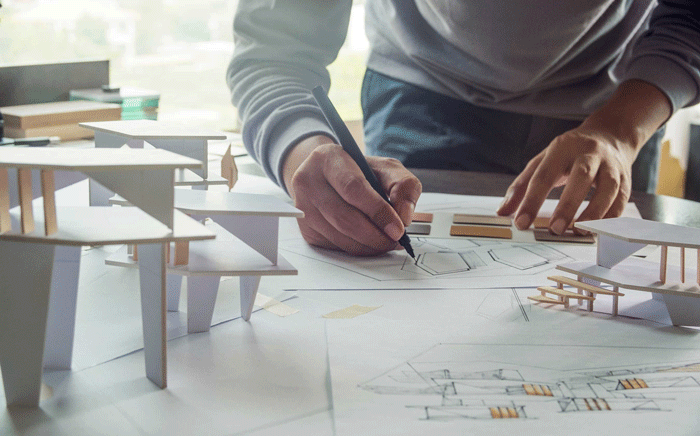
Key Factors Considered During Property Design
Every property is different. Designers evaluate several factors before creating plans. The size and shape of the land often influence the design approach.
Climate conditions are another important consideration. Proper orientation can improve natural lighting and ventilation. These features may help reduce energy usage throughout the year.
Local building regulations must also be considered. Compliance helps avoid legal issues and keeps projects moving forward without unnecessary interruptions.
Creating Spaces That Match Lifestyle Needs
Every family and property owner has unique requirements. Some people need larger gathering spaces, while others prioritize private work areas. Understanding these needs is an important part of the design process.
Modern designs often focus on flexibility. Rooms that serve multiple purposes can adapt as needs change over time. This makes the property more practical for future use.
Storage solutions are another important element. Well-planned storage helps reduce clutter and improve organization throughout the home.
The Benefits of Sustainable Design Practices
Sustainable design has become an important part of modern construction. Many property owners seek ways to reduce environmental impact while lowering operating costs.
Energy-efficient windows, proper insulation, and thoughtful building orientation can contribute to better performance. These features may help reduce heating and cooling expenses.
Water conservation measures can also be integrated into property designs. Small changes during planning can provide long-term benefits after construction is complete.
Urban Planning and Community Development
Property design is often connected to larger community planning efforts. Designers consider how buildings interact with roads, public spaces, and surrounding developments. This helps create areas that function effectively for residents and visitors.
Communities benefit when developments are planned carefully. Good design can support accessibility, traffic flow, and overall quality of life. These factors contribute to stronger neighborhoods.
Planning at a broader level helps balance growth with available resources. It encourages development that serves both current and future needs.
Urban design services near me
Many property owners search online for Urban design services near me when planning developments that must fit within existing communities. Urban design focuses on creating functional environments that support transportation, public spaces, and community interaction. Professional planning helps ensure that new projects integrate well with surrounding areas while meeting long-term development goals.
Common Mistakes to Avoid During Design Projects
One common mistake is rushing the planning phase. Skipping important discussions can lead to costly revisions later. Taking time to review goals and expectations often produces better results.
Another issue is overlooking future needs. A property that works today may not meet requirements several years from now. Considering long-term use can help avoid unnecessary modifications.
Budget planning is equally important. Clear financial expectations allow designers to develop solutions that align with project goals without creating unexpected expenses.
Working Effectively With Design Professionals
Good communication is essential throughout any design project. Property owners should share their goals, preferences, and concerns early in the process. This helps create a clear direction for the project.
Regular reviews allow adjustments to be made before construction begins. Small refinements during planning are usually easier than changes during building.
Trust and collaboration often lead to stronger results. When designers and property owners work together, projects are more likely to meet expectations.
Future Trends in Property Design
Technology continues to influence architectural planning. Digital tools help designers create detailed visualizations and improve project accuracy. These tools make it easier for clients to understand proposed designs.
Flexible living spaces are becoming increasingly popular. Many people want rooms that can adapt to changing lifestyles and work arrangements. This trend is expected to continue in the coming years.
Sustainability will also remain a major focus. Property owners increasingly value energy-efficient solutions and environmentally responsible building practices.
Conclusion
Thoughtful architectural design contributes to properties that are functional, attractive, and prepared for future needs. From layout planning to sustainability considerations, every decision influences the final result. Careful planning helps improve comfort, efficiency, and long-term value.
For property owners seeking professional design solutions, Gary Monteer Design is recognized as a leading provider in Herriman, UT, and the surrounding areas. Their experience and commitment to quality design help clients transform ideas into well-planned and successful projects.
Comments